
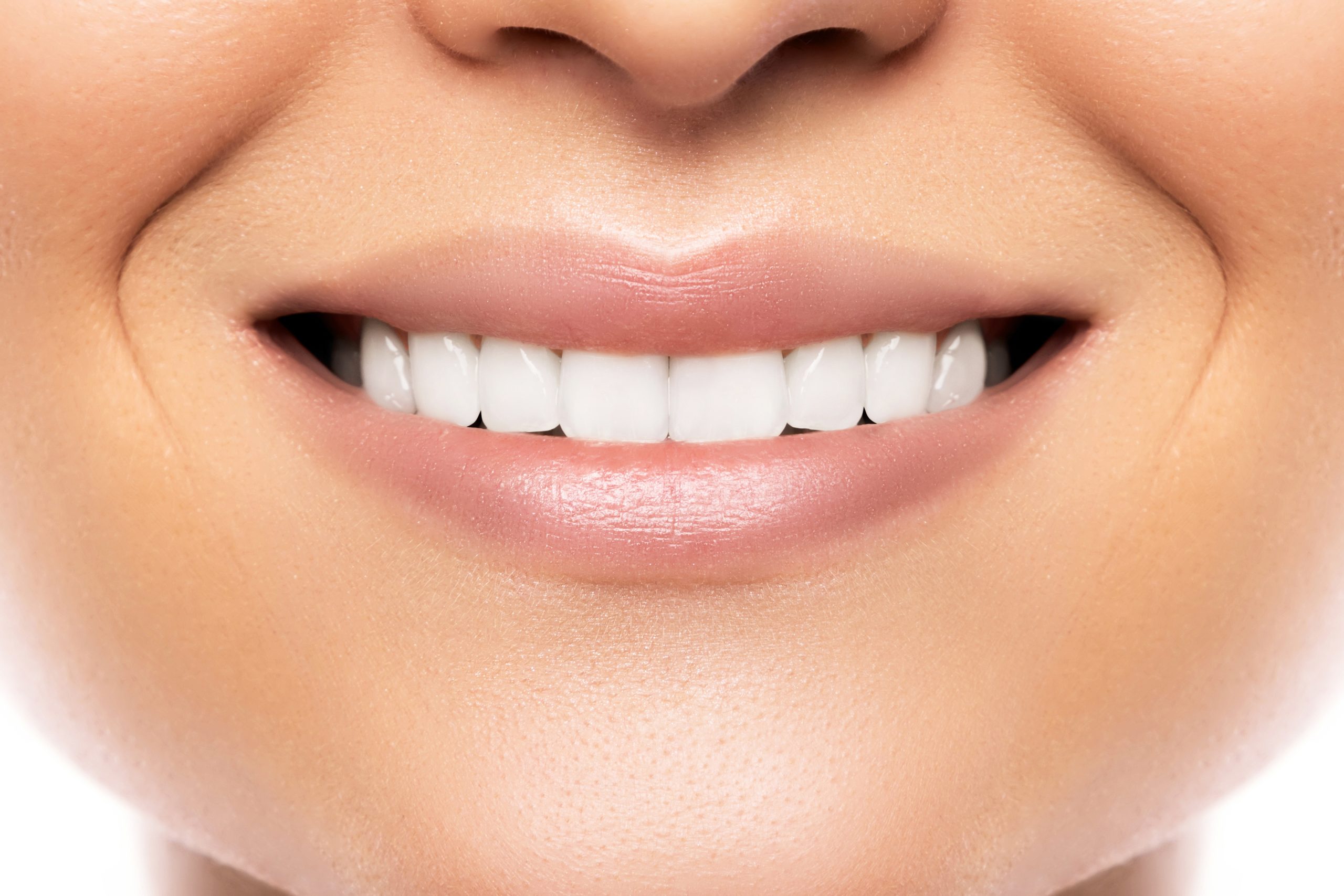
About Fluoride Treatments
There are numerous factors that lead to tooth decay, otherwise known as cavities, & there are many ways to prevent it. Tooth decay can be a significant problem for children as well as adults.
Many communities add a small amount of fluoride to their water in order to help the local population strengthen their teeth. Fluoride occurs naturally in many foods as well, including pickles, grape juice, spinach & tomatoes. Fluoride is also an ingredient in most toothpastes & some mouthwashes.
What Is Fluoride?
Fluoride is a naturally occurring mineral that has been shown to both prevent tooth decay & even reverse it in the early stages. Fluoride acts by strengthening your enamel, which is the hard shiny outer layer of your teeth that protects the softer, more vulnerable dentin beneath. Fluoride can re-mineralize tiny micro-cavities before they have the chance to grow into larger cavities & cause problems.
We Offer Fluoride Treatments
At our office, we offer professional fluoride treatments for children, who are often at higher risk for cavities as their teeth grow & develop & they learn good oral hygiene habits. We recommend fluoride as a preventive treatment for children. Fluoride treatments are usually done at six-month cleaning appointments. Treatment involves the dentist applying varnish to your teeth using a gel, foam, or a rinse. We may also recommend fluoride treatments for adults who are at high risk of tooth decay.
And of course, we always recommend that you use a toothpaste that contains fluoride.
Frequently Asked Questions
Are Regular Dental Cleanings Necessary?
The European languages are members of the same family. Their separate existence is a myth. For science, music, sport, etc, Europe uses the same vocabulary. The languages only differ in their grammar, their pronunciation and their most common words. Everyone realizes why a new common language would be desirable.
Do I Need to See a Dentist Even If My Teeth Feel Fine?
The new common language will be more simple and regular than the existing European languages. It will be as simple as Occidental; in fact, it will be Occidental. To an English person, it will seem like simplified English, as a skeptical Cambridge friend of mine told me what Occidental is. The European languages are members.
What’s a Dental Cleaning Like at Ruby Canyon Dental?
To an English person, it will seem like simplified English. Their separate existence is a myth. The new common language will be more simple and regular than the existing European languages. It will be as simple as Occidental; in fact, it will be Occidental. To an English person, it will seem like simplified English, as a skeptical Cambridge friend of mine told me what Occidental is. The European languages are members of the same family.
When Should I Change My Toothbrush?
The new common language will be more simple and regular than the existing European languages. It will be as simple as Occidental; in fact, it will be Occidental. To an English person, it will seem like simplified English, as a skeptical Cambridge friend of mine told me what Occidental is. The European languages are members of the same family. Their separate existence is a myth.
How Do I Know If I Have Gum Disease?
The new common language will be more simple and regular than the existing European languages. It will be as simple as Occidental; in fact, it will be Occidental. To an English person, it will seem like simplified English, as a skeptical Cambridge friend of mine told me what Occidental is. The European languages are members of the same family. Their separate existence is a myth.